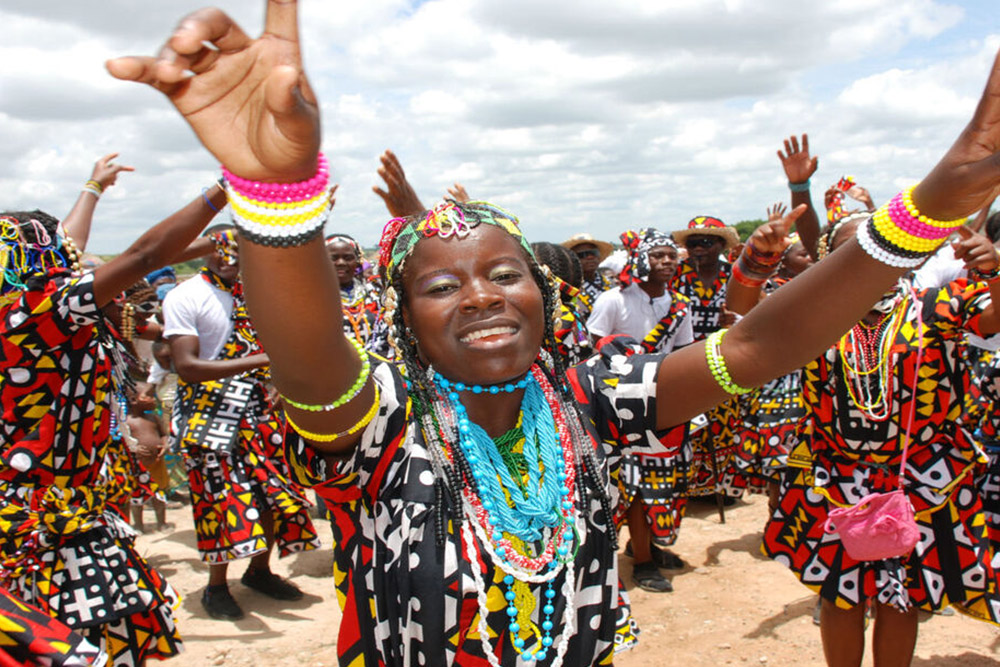
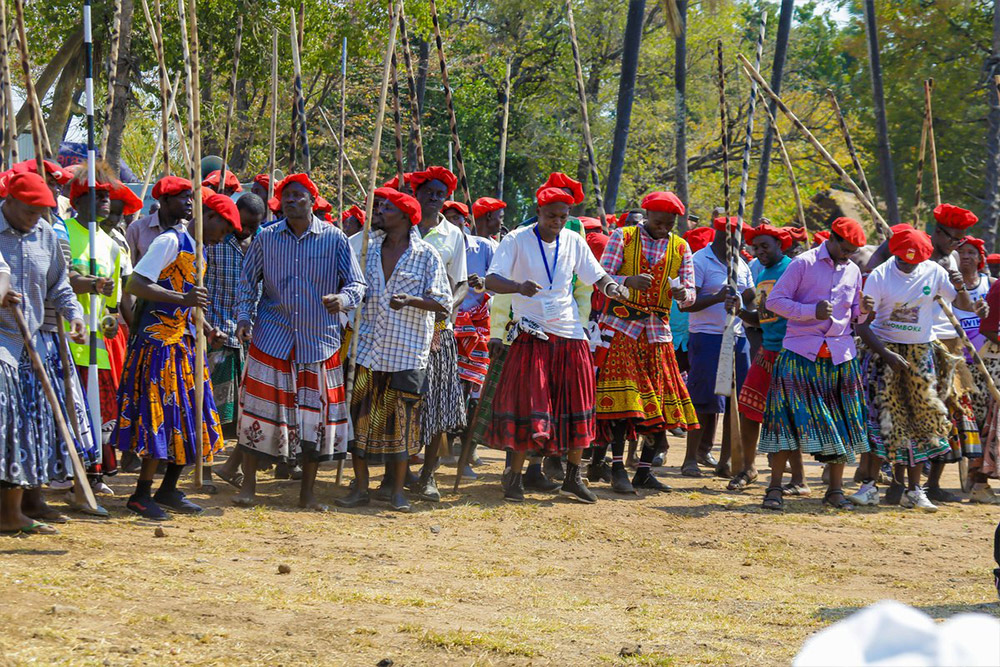
Precolonial culture in Angola was broadly similar from one end of the country to another, albeit with local variations and some differences stemming from the many, though mostly related, languages spoken in the area. A common traditional culture is still noticeable in Angola.
The mixture of Portuguese and African culture has made urban Angola, especially the Luanda region, more like a Latin American than an African country. Its nightclubs, restaurants, and annual Carnival might seem at home in Brazil had not war and security measures made this sort of social life difficult. Nevertheless, the country has much to celebrate in its cuisine, festivals, and artistic traditions.
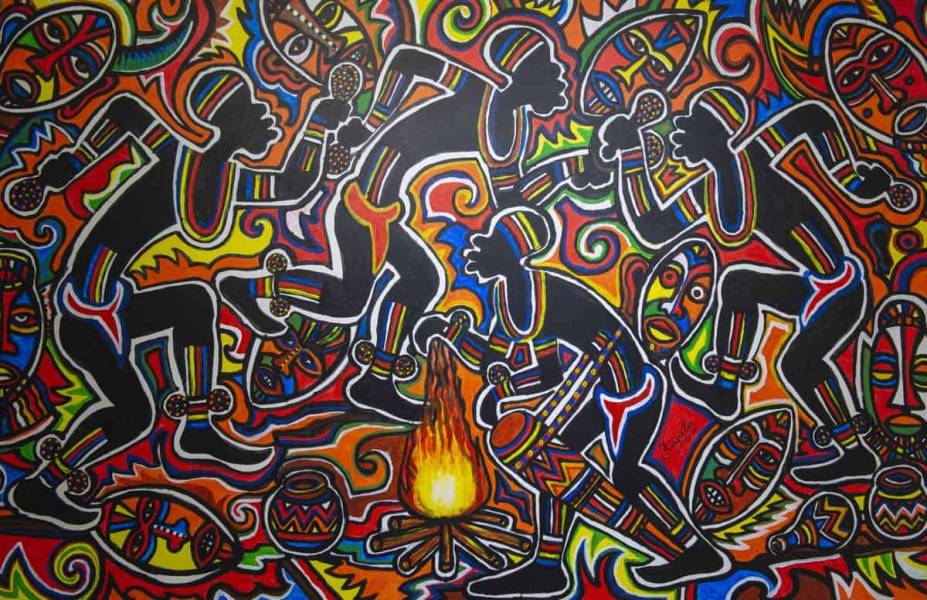
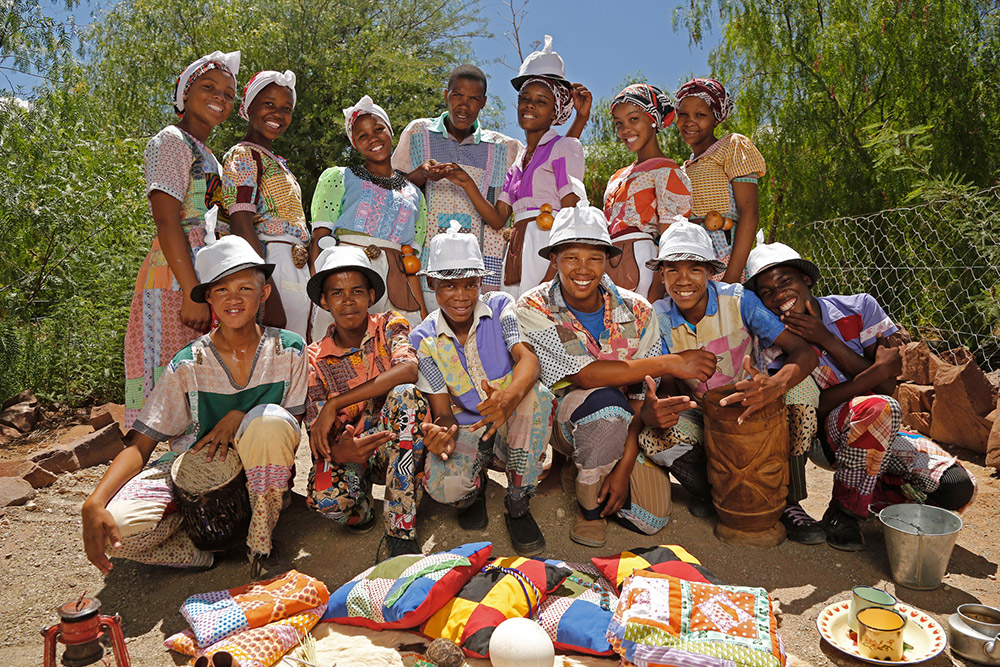
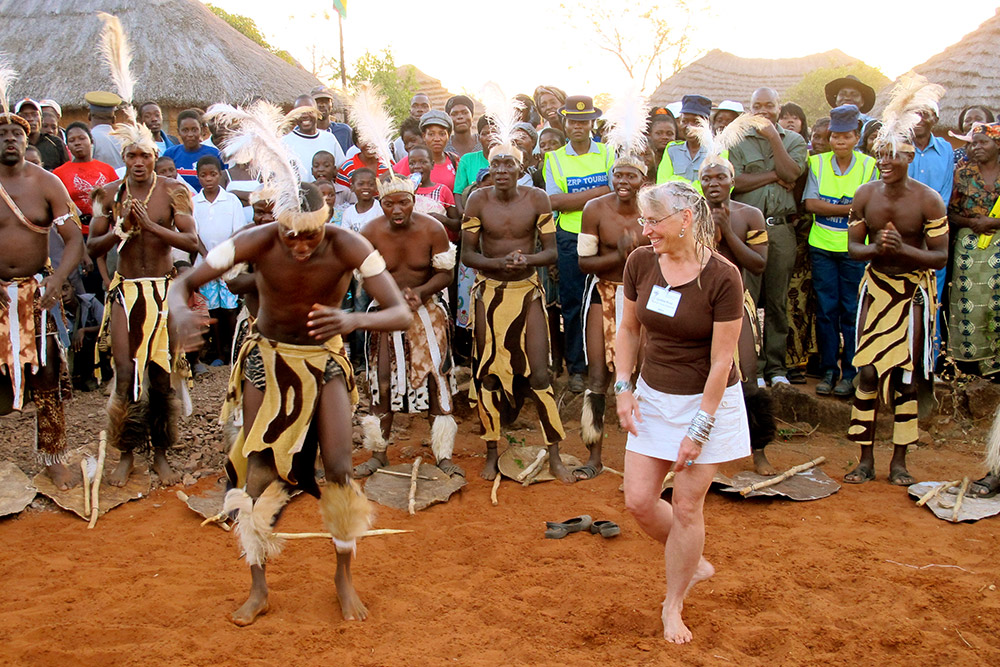
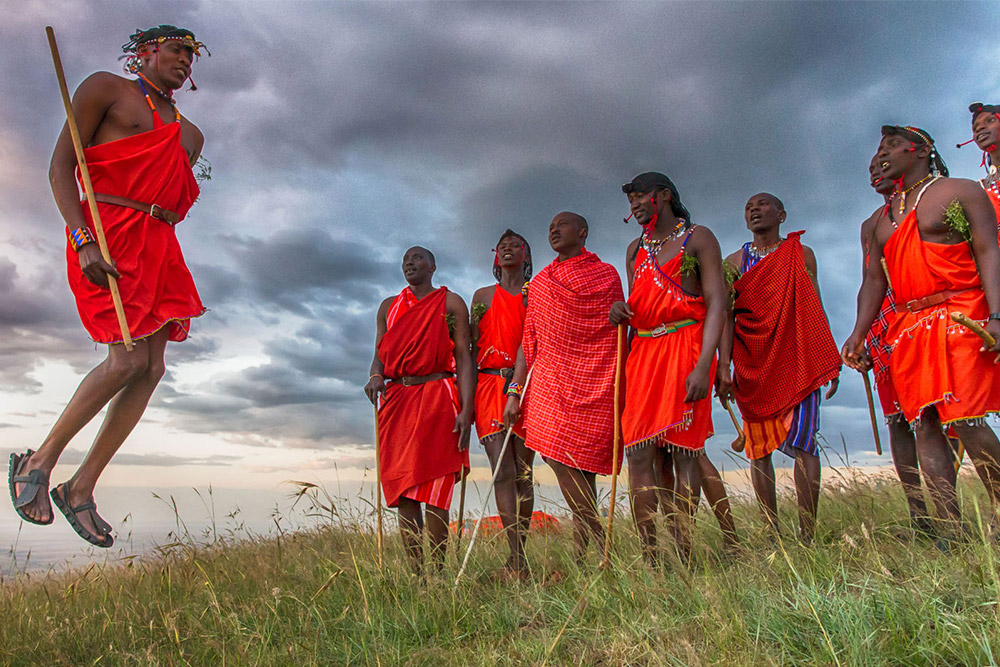
Wood, clay, copper, reeds, ivory, shells, and the human body are the main media for Angolan decorative arts. The wooden sculptures of the Chokwe people, the carved ivories of Cabinda, and the elaborate hairstyles of the Nyaneka and Nkhumbi peoples are especially famous. A number of modern artists and graphic designers work with both African and Western motifs in the general realm of modern African art. Music and dancing play a central role in cultural life, with the drum as the basic instrument; there is also a rich oral literature. Since independence various government research agencies have tried to collect ethnographic material and to do archaeological studies, but their work has been sporadic and limited by the war.
Western influences, which tend to predominate in the towns, have increasingly overshadowed traditional culture. Angola has many traditional instruments, including the ngoma, a bongo drum, and the mpwita, a drum originally found in Kongo. Also noteworthy are the mpungu, a trumpet, and the Luandan hungu, equivalent to the mbulumbumba of southwestern Angola, both types of gourd-resonated musical bow. These stringed instruments traveled with slaves to Brazil, where they developed into the berimbau.
Contemporary music in Angola combines the African influences in the music of the Caribbean, the United States, and the Democratic Republic of the Congo with the Latin influences of Cuba and Brazil.