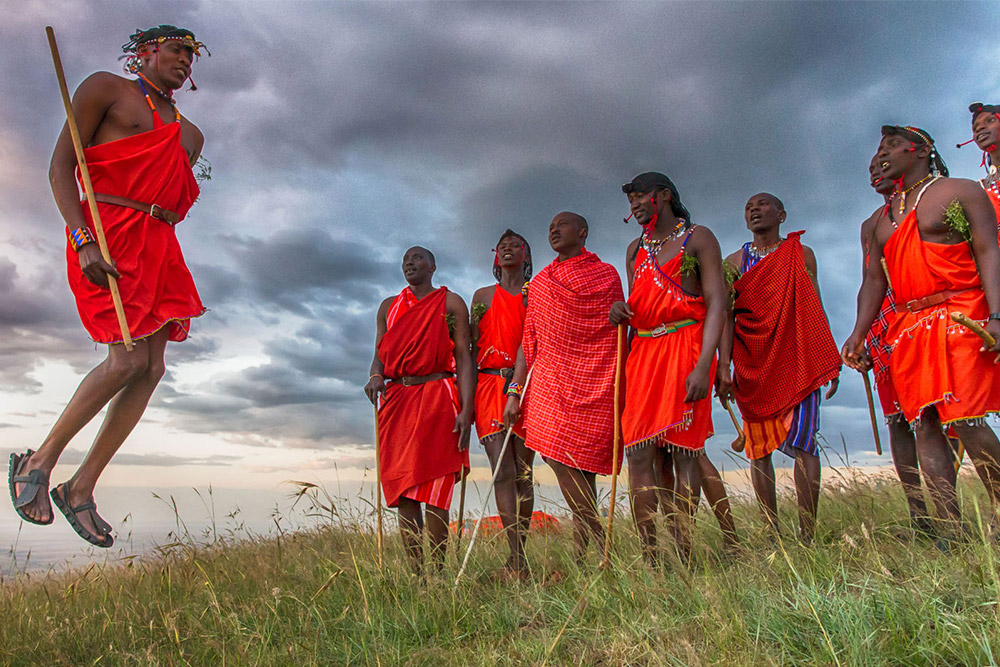
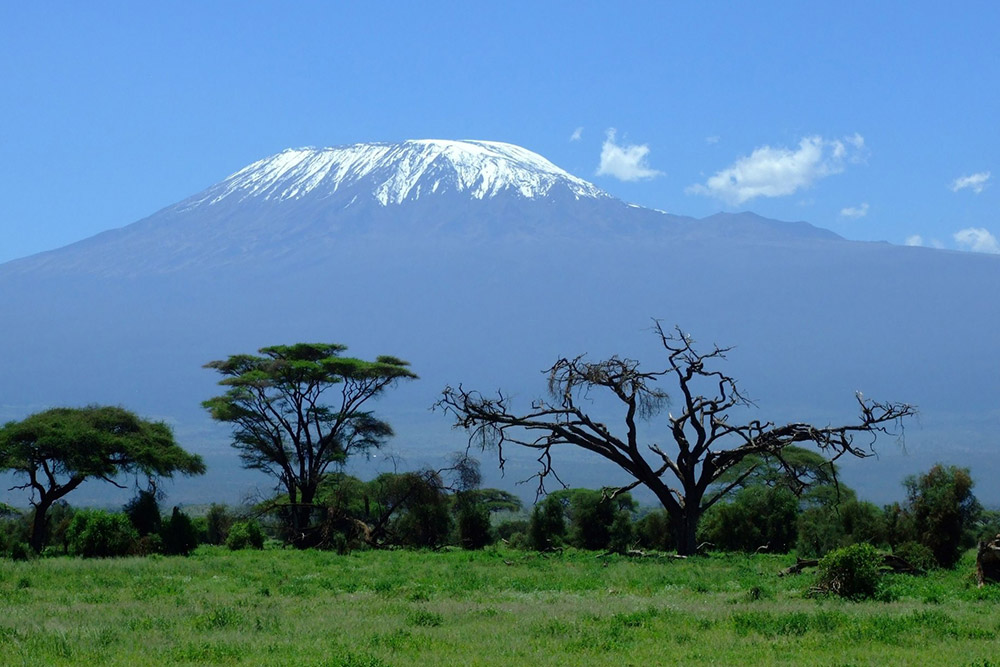
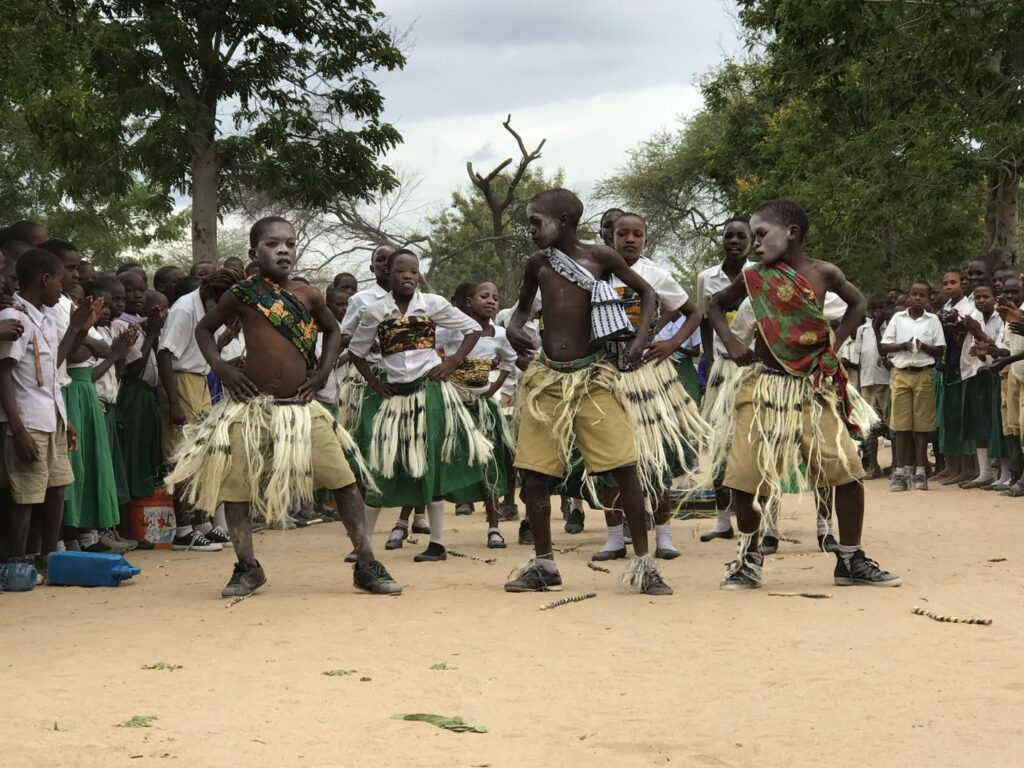
The Maasai are an ethnic group inhabiting northern, central and southern Kenya and northern Tanzania. They are among the best known local populations internationally due to their residence near the many game parks of the African Great Lakes, and their distinctive customs and dress. The Maasai generally speak the Maa language. Except for some elders living in rural areas, most Maasai people speak the official languages of Kenya and Tanzania, Swahili and English.
Many Maasai tribes throughout Tanzania and Kenya welcome visits to their villages to experience their culture, traditions, and lifestyle, in return for a fee. Traditional Maasai lifestyle centers around their cattle, which constitute their primary source of food. A man’s wealth is measured in cattle and children. A herd of 50 cattle is respectable, and the more children the better. A man who has plenty of one but not the other is considered to be poor.
All of the Maasai’s needs for food are met by their cattle. They eat the meat, drink the milk daily, and drink the blood on occasion. Bulls, goats, and lambs are slaughtered for meat on special occasions and for ceremonies. Though the Maasai’s entire way of life has historically depended on their cattle, more recently with their cattle dwindling, the Maasai have grown dependent on food such as sorghum, rice, potatoes and cabbage, known to the Maasai as goat leaves.
Amongst Maasai males, circumcision is practiced as a ritual of transition from boyhood to manhood. One common misconception about the Maasai is that each young man is supposed to kill a lion before he can be circumcised and enter adulthood. Lion hunting was an activity of the past, but it has been banned in East Africa – yet lions are still hunted when they maul Maasai livestock. Nevertheless, killing a lion gives one great value and celebrity status in the community.
Traditionally, the Maasai diet consisted of raw meat, raw milk, honey and raw blood from cattle. Most of the milk is consumed as fermented milk or buttermilk. Milk consumption figures are very high by any standards. The Maasai herd goats and sheep, including the Red Maasai sheep, as well as the more prized cattle. Although consumed as snacks, fruits constitute a major part of the food ingested by children and women looking after cattle as well as Maasai warriors in the wilderness.